

6 DAYS LEFT
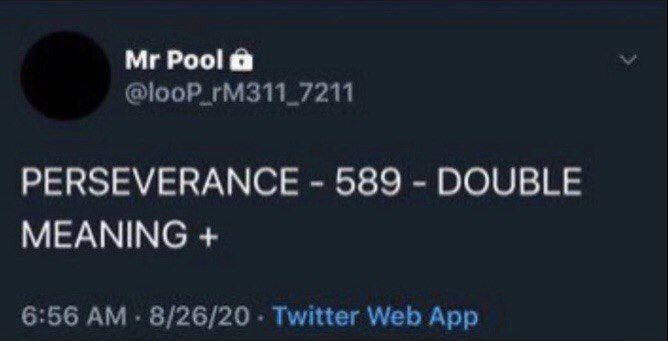
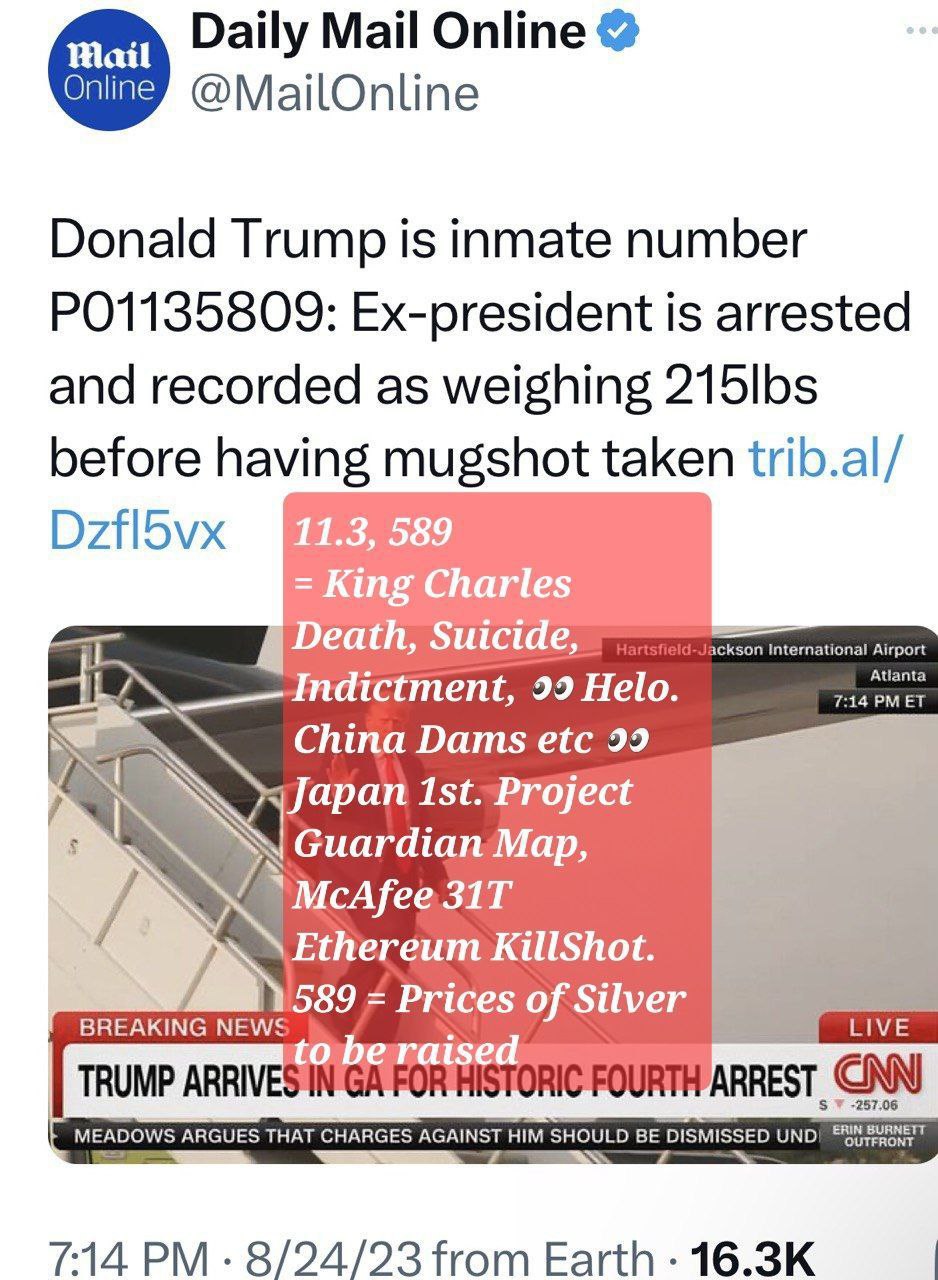
589 comms..
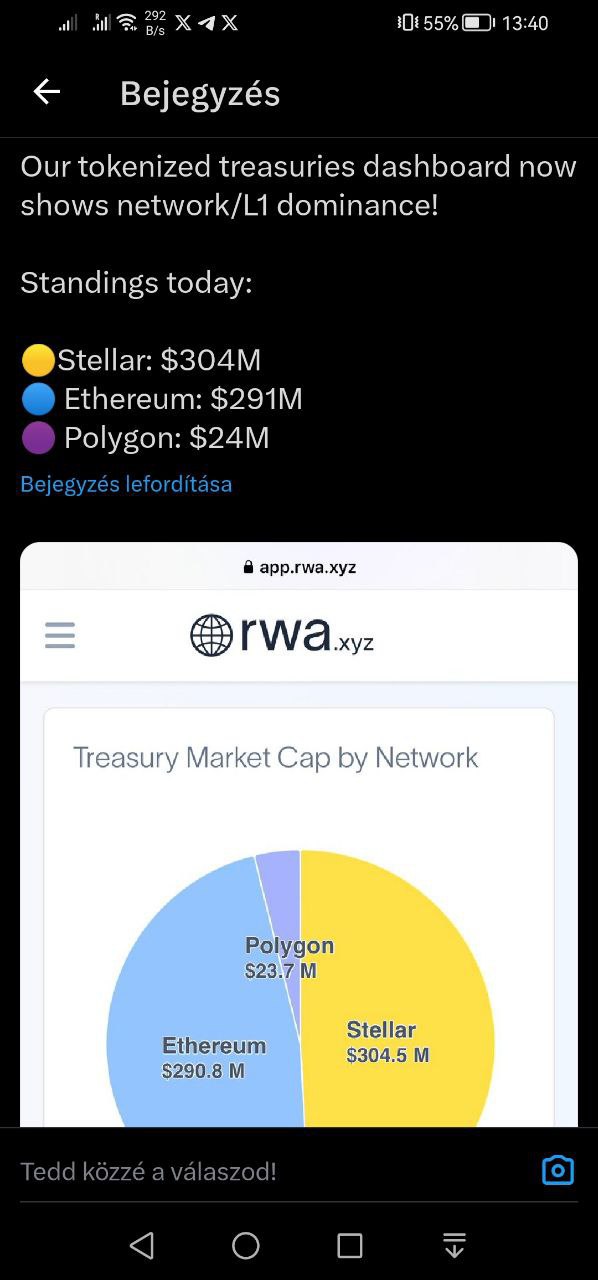


induspayments.com it’s alive, kind of


Ethereum. “Sell off might be imminent.’ https://cryptonewsbtc.org/2023/08/22/ethereum-what-to-expect-as-whales-circle-around-eth/

Projected structure outline on the example of South Africa
BRICS PAY
Settlements and clearing
The settlement and clearing centers can be either private banks or central banks of countries. This decision is left to each country

Bitcoin was created by the CCP of China with the backing of the CIA of the USA. NWO plan was to put humanity into that system so you can be controlled and slaughtered at will. The Cabals Great Reset. It is backed by air. By this time the world should know this. Yet some are still comatose. Carry on
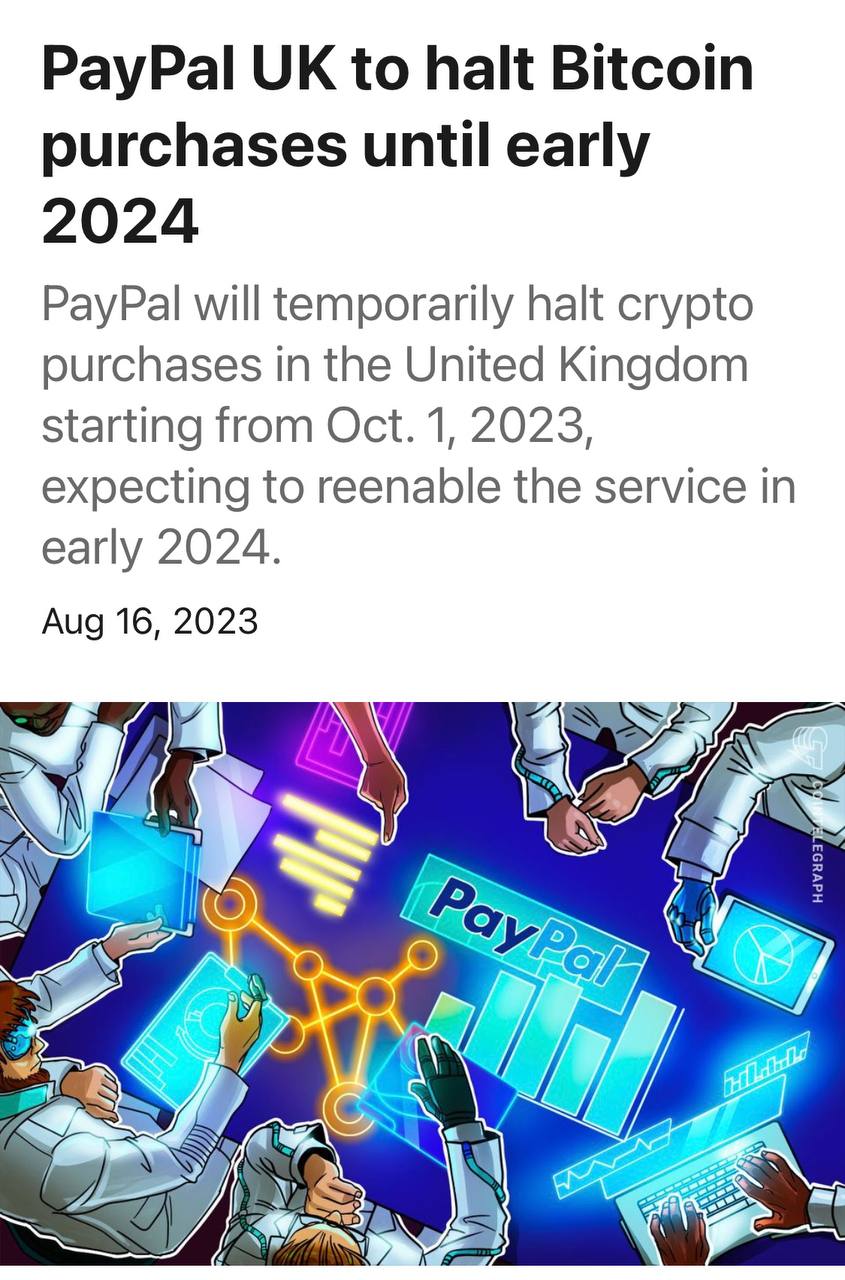
PayPal will temporarily halt crypto purchases in the United Kingdom starting from Oct. 1, 2023, expecting to reenable the service in early 2024. 😏😏😏
Cryptocurrency-friendly payments platform PayPal is making some crypto adjustments on its platform in the United Kingdom to comply with local financial regulations.
PayPal is temporarily pausing the ability for its U.K. customers to buy cryptocurrencies like Bitcoin (BTC) as it works to comply with new regulations, the firm told Cointelegraph on Aug. 16.
The news comes as the U.K. government prepares to implement the “Travel Rule,” major Know-Your-Customer and Anti-Money Laundering regulations developed by the Financial Action Task Force (FATF). Starting from Sept. 1, 2023, all crypto firms registered with the FCA will need to comply with the Travel Rule.
Interesting story…things that make you hmmm. 🤔🤔🤔
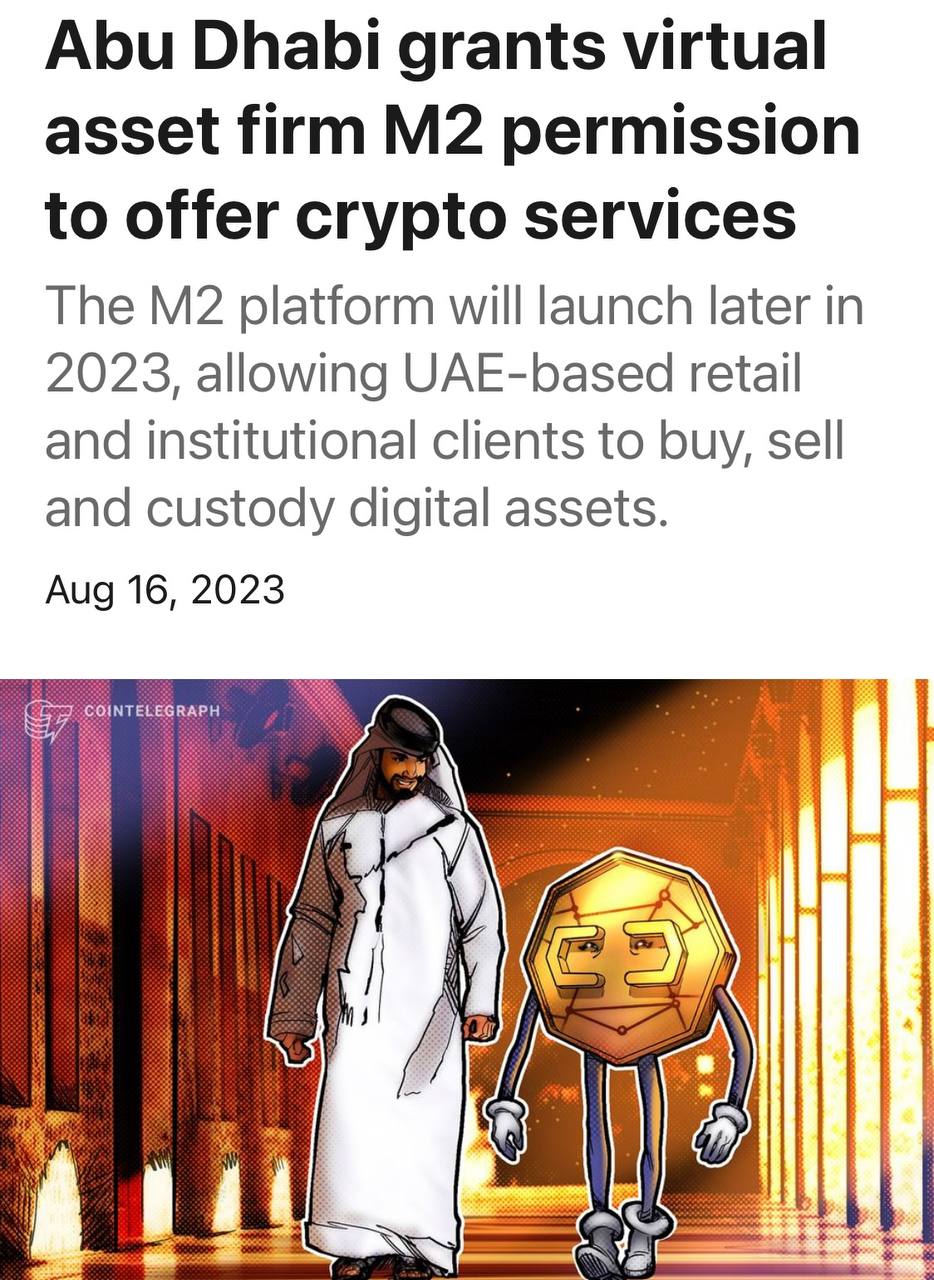
The Financial Services Regulatory Authority (FSRA) of the Abu Dhabi Global Market (ADGM) has granted financial services permission to virtual asset firm M2 to operate a multilateral trading facility from the United Arab Emirates capital.
In an Aug. 16 announcement, the Abu Dhabi-headquartered M2 said the regulatory approval would allow institutional and retail clients in the UAE to “buy, sell and custody virtual assets,”
The M2 platform, which is scheduled to launch later in 2023, has been developed over the past year with a long-term vision to establish “the highest levels of trust, security and integrity in the emerging virtual asset class,” the announcement said.
Once live, the M2 platform will also allow UAE users to buy cryptocurrencies using fiat money, as well as access to derivatives and yield services.
“The process of obtaining the license is the first step on our journey, and we will remain in close dialogue with ADGM to ensure transparency around the custody of client assets,” said Stefan Kimmel, the CEO of M2.🥳🥳🥳
Remember Nick talking about M2?

Two private banks in Uzbekistan — Kapital Bank and Ravnaq Bank — acquired approval from the National Agency for Perspective Projects (NAPP) to participate in the digital sandbox of crypto regulation. The banks will issue plastic crypto cards powered by Mastercard.
On August 14, the NAPP reported the approval for Ravnaq Bank to participate in its pilot. Earlier, in May 2023, the Agency confirmed that Kapital Bank would issue its crypto card as well.
According to the release, the Uzbeki crypto card will be called UzNEX, which will integrate a bank account with access to a crypto exchange and automated exchange mechanism.
The current deadline for final customer rollouts of both banks’ crypto cards is the end of December 2023. Kapital Bank and Ravnaq remain two of the three registered participants in the national digital sandbox.
From 2023, the government of Uzbekistan has restricted the provision of crypto services to licensed cryptocurrency firms. The first licenses were granted to local crypto firms in November 2022. Before that, Uzbekistan restricted access to a number of large international crypto exchanges, including Binance, FTX and Houbi due to accusations of unlicensed activity.
The country’s regulatory approach to crypto was initiated by a presidential decree in 2022 when the NAPP was launched to oversee the digital assets industry.
The decree also provided comprehensive legal details related to cryptocurrency mining operations in Uzbekistan.
Things are sure getting interesting in the banking and crypto world, as more comes out about linking the two. 🔥🔥
I have sent all of QFSWALLETS holdings of CTGX & OPRX to Elon’s https://t.co/hV4M6hCCPY token X swap. CTGX & OPRX asset family migrating again! New round of token swapping with Aug 25 deadline https://t.co/pCxU95nXJl https://t.co/yXhzFlFOJu


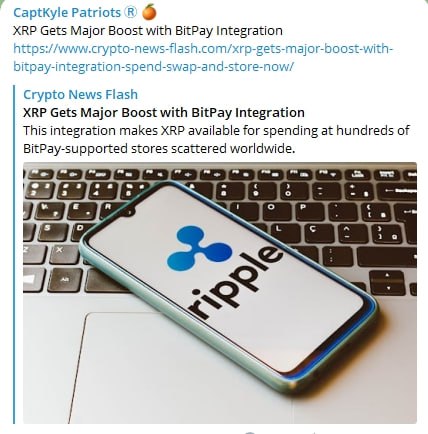
Ripple recently took to X to restate its argument for offering XRP as a bridge currency to fiat. This move comes a month after securing regulatory clarity for XRP from the US court.
In particular, Ripple highlighted the merits of its payment solution for cross-border settlement in a recent tweet. The company mentioned speed, cost-saving, and liquidity as crucial components driving the course.
The firm noted the role of XRP in addressing the arrowing challenges corporate businesses face concerning intercontinental transactions.
According to the statement, institutions using Ripple’s On-Demand Liquidity (ODL) product leverage XRP as a bridge asset for diverse government-back money pairs. However, the US regulatory environment haunted XRP for its role in this course. 🎤🎤🎤
Since the US court has judged that XRP itself is a digital asset, Ripple now comes out bold to restate XRP’s use in ODL. Nonetheless, it is worth mentioning that Ripple’s sale of XRP to institutions is still a matter of debate in the US court. 😏😏😏😏
Meanwhile, the XRP community no longer sees that point as a significant hurdle. Bill Morgan, a pro-XRP attorney, reacted to Ripple’s recent tweet to shed light on the pending case.
Morgan highlighted that institutions using Ripple ODL after buying XRP did so for bridge currency transactions and related commercial reasons. ❗️❗️❗️❗️❗️
The lawyer noted that the institutions could not have acquired XRP solely for the value of XRP to appreciate.
The lawyer ultimately believes Ripple will successfully appeal the pending court case. He remarked rhetorically:
“How can Ripple not appeal the finding XRP sales to ODL users are investment contracts.”
To Emily’s point! Mic drop! Mel and XRP Lion…🤡🤡🤡🤡
 XRP Billionaires Club